By Will Raven, University of Warwick
All opinions are those of their respective author, and are not indicative of the stance of EUPS.
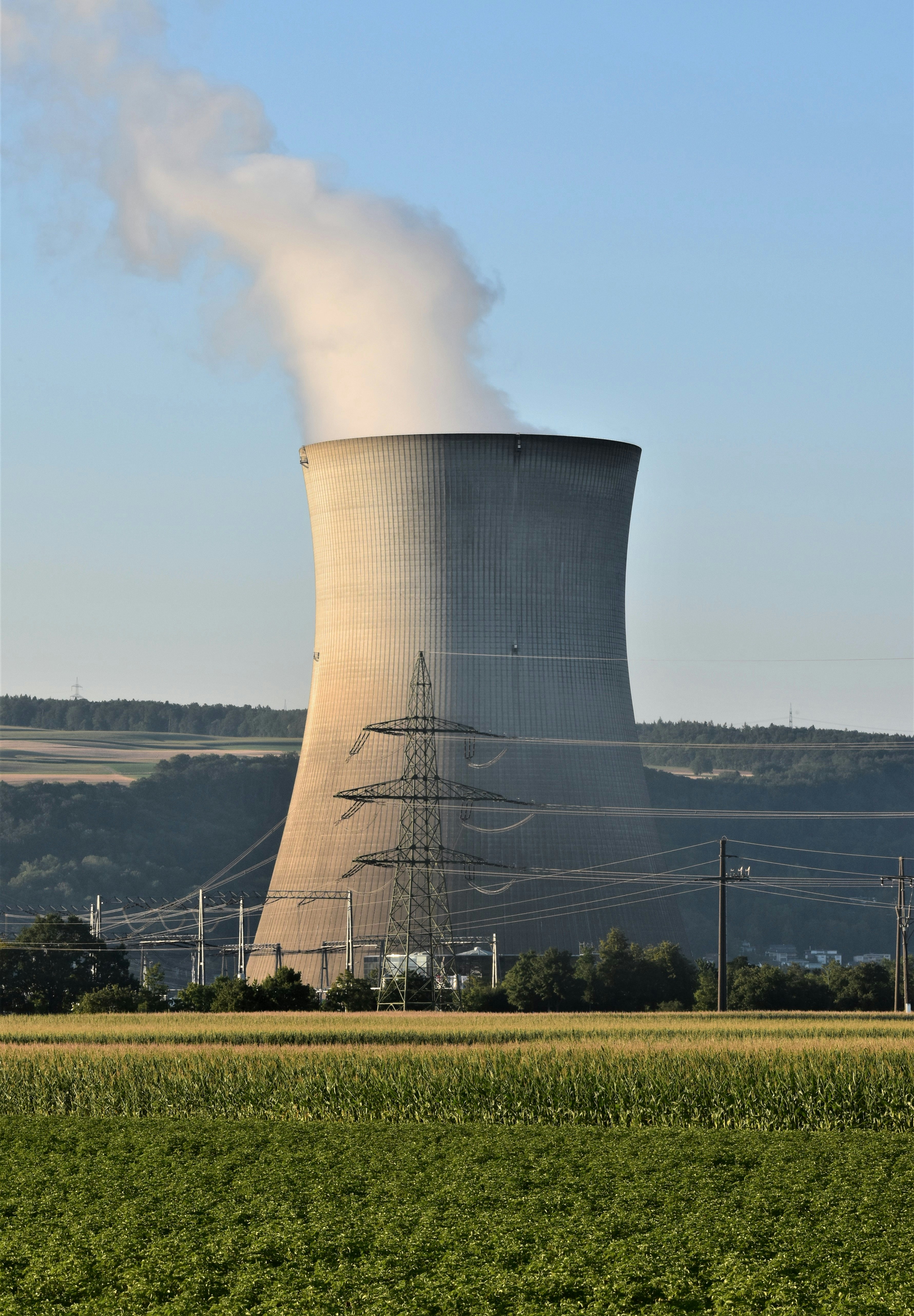
France, among the many great nations of Europe, stands firmly alone in its uniquely successful and determined use of nuclear power. Since the 1980s, nuclear fission has been the largest source of electrical generation in France and, most recently, it contributed to just over 70% of the nation’s total electricity consumption, the largest such percentage anywhere in the world. Despite its cornerstone role in France’s electricity mix, it has, for as long as it has held this central position, been marred by rising costs, growing protests and political instability.
The world is today, however, facing a nuclear renaissance of sorts. The UK, which in the world of nuclear power has some of the most expensive and least productive reactors anywhere in the world, has just signed a vast and potentially hugely consequential deal that will see 12 advanced modular reactors built in Hartlepool alongside other SMRs for data centres and the largest container port in the country, the London Gateway. This renewed investment is seen too in France, with plans approved to construct the next generation of over a dozen EPR2 reactors alongside further investment to realise the full potential of SMRs and other promising nuclear technologies.
The favourable conditions creating these headwinds are felt globally, spurred on by technological advancements (such as the advent of SMRs) and pressure to grow emission-free electricity generation as demand for electricity ratchets up. These conditions could, if managed correctly, herald something of a French nuclear revolution. Despite this promise, and a national goal of reaching carbon net-neutrality by 2050, nuclear’s position has not always been assured. In fact, up until 2022, plans had existed to see the share of French electricity produced by nuclear power reduced, well below its current rate, to less than fifty per cent of total production.
But, with these renewed ambitions toward nuclear growth, France will have to rely on extending the lifespan of its current fleet of 56 reactors, which are all rapidly approaching the end of their operating lives. The water-pressurised reactors, which make up all but one of the current fleet, were originally envisaged to spend 40 years in service, but today the average age for these reactors is 39. Indeed, when it comes to nuclear, many of the projects for the future needed to have been built yesterday. This hesitation, caused by high-upfront costs for little short-term gain, resulted in no new-build reactors being opened from 1999 to 2024. Going forward, this presents a considerable challenge, the likes of which we have experienced and failed to handle correctly in the UK. That is the challenge of being able to retain and grow the current nuclear power share while simultaneously transitioning from the rapidly ageing older fleet of reactors to the new and more advanced EPR standard reactor.
This transition has, however, already met its fair share of challenges. With the first of the next generation reactors already being pushed back from coming online in 2035 to 2038, it is highly likely this date will only slip further. Additionally, and not unfamiliar to the world of nuclear energy, costs are already beginning to spiral. Now set to top 80 billion euros, the project by no means comes cheaply, although, if we consider the conversations that were had in the 1970s when the current generation of reactors were in the planning, this cost-benefit debate is certainly anything but brand-new. Nevertheless, by utilising the record of the past, it would seem that these high costs are ultimately worth it, especially given the current geo-political situation in Europe, where France’s nuclear-driven energy independence has allowed it to largely escape the consequences of European attempts to wean off Russian oil and gas.
There is also the chance of rapid advancement, particularly in two fields at opposing ends of the nuclear spectrum. On the one hand, SMRs present the opportunity of creating affordable and rapidly scalable nuclear power. A fraction of the size and cost of a regular reactor, they can be built in elements, en masse, and the hope is that this will allow costs to be driven down. At the other end of the scale is the “holy grail” of energy production, a sustainable nuclear fusion reaction. This process involves forcing atoms together at immense temperatures, creating plasma, which in turn releases a considerably greater amount of energy from less fuel than the current fission process permits. France has, so far, led the world in this technology with the CEA’s tokamak, based in Southern France, setting a world record for maintaining this reaction for 22 minutes earlier this year.
Ultimately, despite these many challenges, France stands in a unique position, both in Europe and the wider world. Its vast nuclear estate brings with it an equal number of opportunities, which, if managed correctly, can be shared throughout Europe, creating a continent united through shared energy resilience and green potential. As the EU continues to negotiate its climate goals for 2040, the roadmap towards a more sustainable future requires leadership, and France’s proud nuclear heritage gives it a special opportunity to step up and face up to the challenges of the future.