By Laura Nannini, University of Liverpool
All opinions are those of their respective author, and are not indicative of the stance of EUPS.
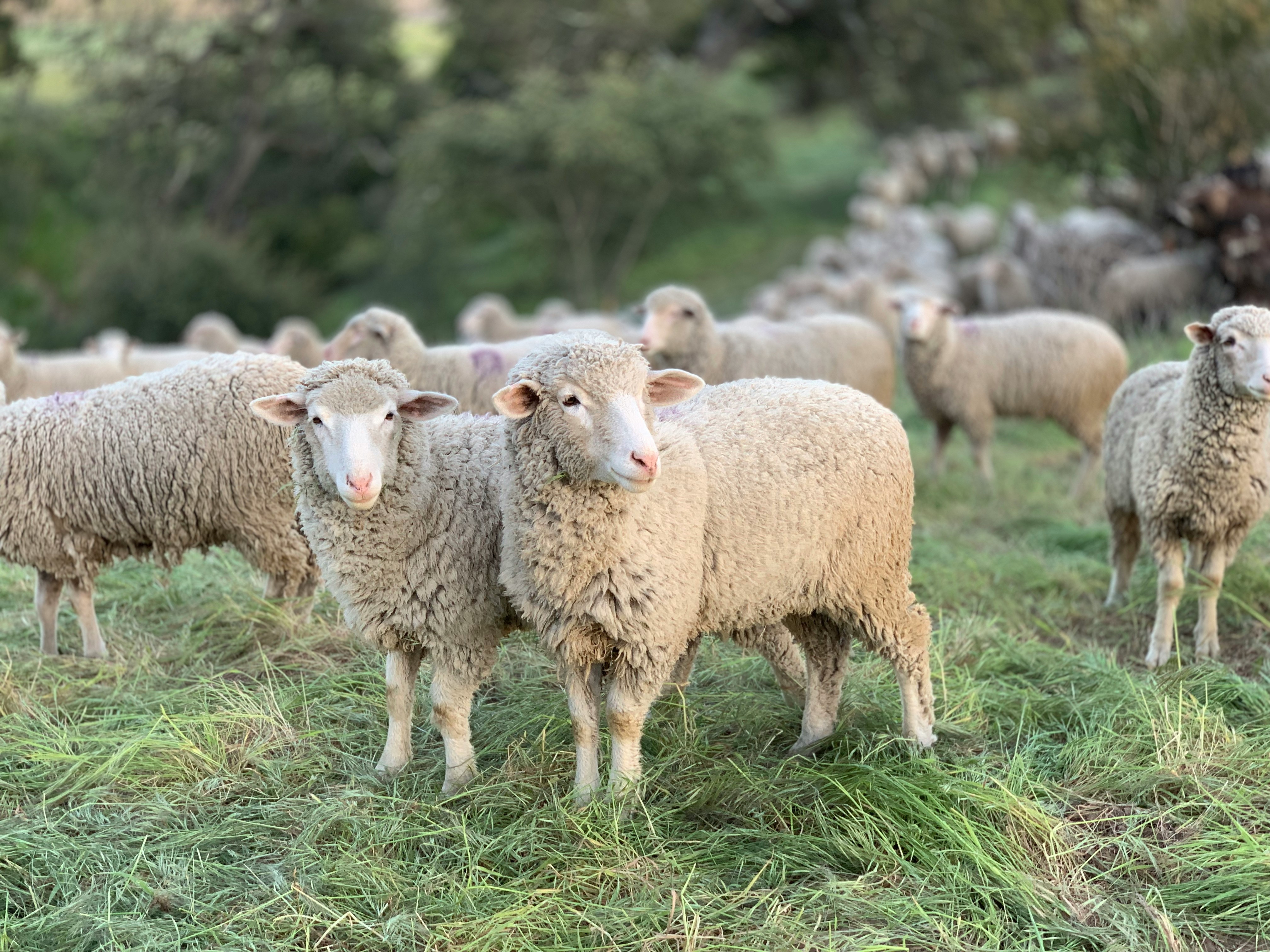
In 1996, Dolly the sheep was born and with her, a debate that still rages on nearly three decades later. Dolly was no ordinary ewe; she was the first successfully cloned mammal, creating using a technique hailed as revolutionary. Her birth raised a controversial question: Animal cloning, scientific breakthrough, or ethical dilemma?
What is Cloning?
Cloning is the process of creating a full genetic copy of an animal. DNA from an
animal, either alive or dead, is placed into a female egg cell that has had its original DNA removed.(1) From here, the egg is then stimulated to start developing into an embryo and implanted into a surrogate mother.
The Rise of Pet Cloning
Although banned in the UK (except under strict Home Office approval for research only) and in most EU countries, companies such as Gemini Genetics in the UK and Ovoclone in Spain have found a way to bring the service to pet owners while jumping through some legal loopholes.
Gemini Genetics, founded in the UK in 2018, offers animal tissue sample preservation services for genetic storage. The samples can then be transported to their US-based partner company, ViaGen Pets & Equine, for cloning. The service, however, does not come at a cheap price, totalling around £37,000 for a cat or dog and £60,000 for a horse. Akin to Gemini Genetics, Ovoclone of Spain runs on a similar basis with prices to match.
With such a steep price tag, cloning remains accessible only to the wealthy. Critics warn that it risks exploiting grief, turning the human-animal bond into a high-priced transaction.
Success Rate of Cloning
The success of cloning remains low. The RSPCA has reported that fewer than 5% of cloned embryos survive to birth with many survivors suffering from respiratory failure, tumours, or organ defects, often leading to shorter lifespans and a lower quality of life.
Studies within livestock show that only about 40% of cloned animals are born healthy, compared to 90% of conventionally bred animals. Surrogate mothers endure repeated procedures, with little transparency on their long-term welfare.
As Dr James Serpell notes, “lots of foetuses are aborted or born with severe abnormalities. Companies often use purpose-bred females, and it is not clear what happens to them afterwards.”
The Question of Identity
Even if a clone is born healthy and happy, it will never be a true copy of the original. Genetics influence physical traits, but personality and behaviour are shaped by environment. As Lucy Morgan of Gemini Genetics explains: “It is by no means a reincarnation. And 99% of our clients get that.” This raises ethical questions: are grieving owners misled into thinking they can “bring back” their pet, when in reality they are buying a genetically related but distinct individual?
Veterinary Perspectives
The veterinary profession stays cautious, citing animal welfare, ethics and misuse of resources. The RSPCA warns that cloning causes pain, suffering and distress, with little consideration for ethics or welfare. What is more, cloning never creates a true copy; every animal is an individual.
That said, potential benefits are occasionally highlighted, such as conserving endangered species, preserving elite genetics in service animals and livestock, and advancing reproductive and genetic medicine.
Each year, around 1.2 million cats and 664,000 dogs enter UK shelters. Across Europe, more than 100 million strays roam the streets, many suffering from disease, injury, and neglect. Against this reality, the question becomes pressing: why invest in cloning when so many animals are desperate for homes?
Animal cloning sits at the uncomfortable middle ground of science, ethics, commerce, and grief. Dolly’s birth proved what was possible, but the debate is still unsettled.
To end, I leave you with this question: Does cloning honour life, or does it commodify it?