By Eric Cullen, University of Liverpool
All opinions are those of their respective author, and are not indicative of the stance of EUPS.
Halloween was a day of ritual in Ireland, known as Samhain, and was said to start the new year in Celtic tradition. However, now, it covers the globe, and at what point did the holiday change, and what about it changed exactly?
The Origins of Samhain
Many think of Halloween as a commercial American holiday, but the origins are far from the buckets of sweets and character costumes we think of today. The origins of the Holiday come from the Celtic ritual, known as Samhain, that is believed to have originated in Ireland. The exact time and place Samhain came from is unknown, but there is a fair amount of evidence that it may have originated in County Meath, in Ireland.
According to the organiser of the Puca festival in county down (a four-day festival where locals practice the rituals of Samhain) the festival can be traced back to “a mound called the Hill of Ward … where remains of large, ancient ceremonial fires were discovered in 2014, thought to be from around 500 CE” She continues to describe how this hill would be the centre of such rituals, and after the locals would carry torches into the town, to light fires in their homes.
https://www.bbc.co.uk/travel/article/20241030-meath-county-the-birthplace-of-halloween-in-ireland
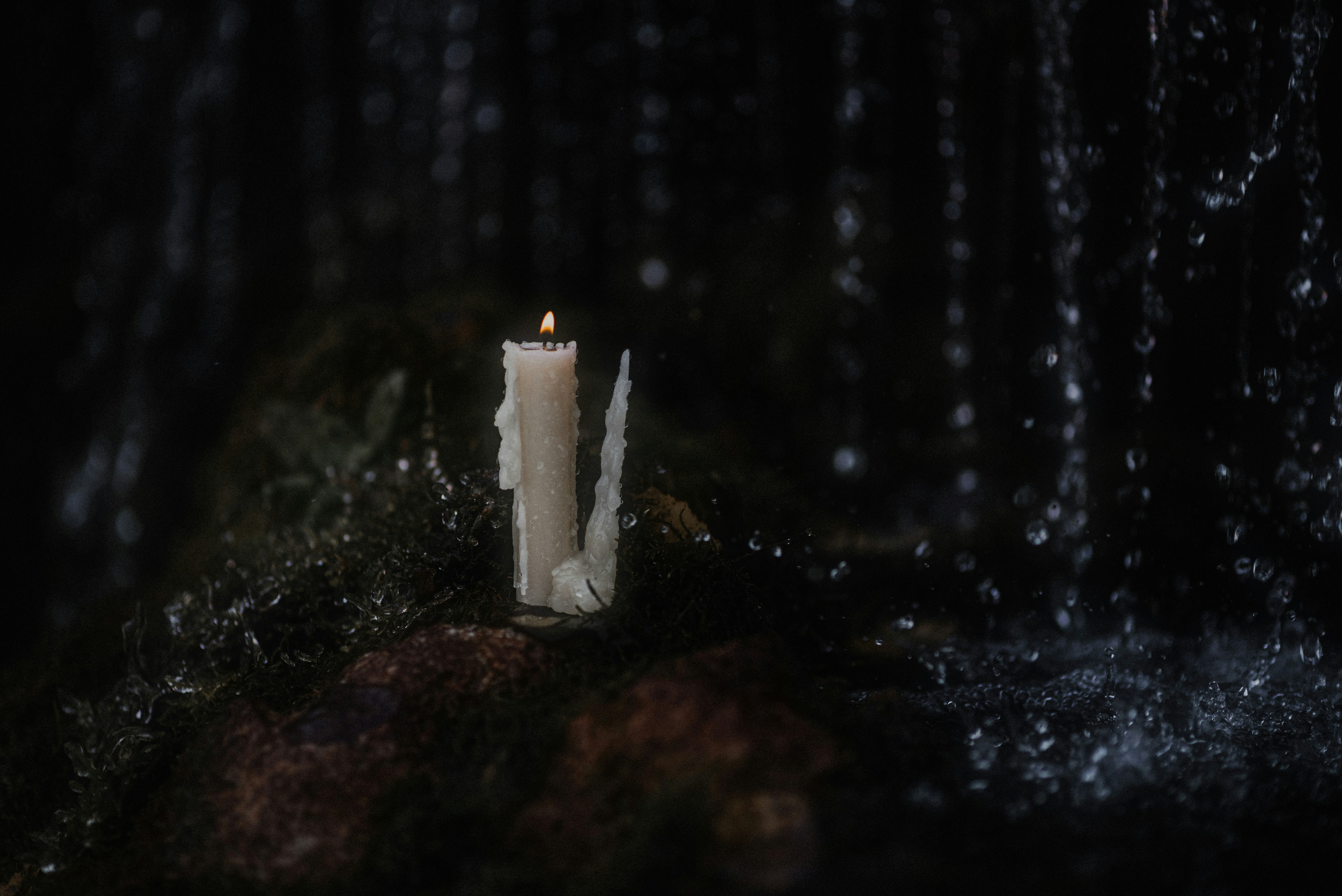
The festival was not a celebration of different monsters or creatures, but rather a ritual to prevent dark spirits from interfering with the living world. It was believed that the barrier between the living and dead world was thinnest at Samhain, so the rituals were critical to keep communities safe during the winter months.
Traditions of Halloween that come from Samhain
The bright Orange Pumpkin has become synonymous with Halloween; however, the root vegetable carving popular during this autumn period does have its roots in the Celtic holiday of Samhain. Locals would carve faces into root vegetables to scare off evil spirits, with the fear of them entering the living world at this time. The carving was not originally done in pumpkins, as they were not available across Celtic nations like Scotland and Ireland. Instead, Vegetables such as turnips were carved, creating the totems to scare off spirits. Turnip carving became pumpkin carving when many Celtic families emigrated to North America, with the communities realising that these new root vegetables were better suited to carving. Pumpkins then became popular back in Europe, becoming the tradition we know today.
https://www.bbc.co.uk/news/articles/cj4d40rwwyjo
Not only does carving vegetables originate in ancient Ireland, but it is also believed that the practice of dressing up on Halloween can also be traced back hundreds of years. Britannica explains locals “sometimes wore masks and other disguises to avoid being recognised by the ghosts thought to be present.”
Disguises could be as grand as full costumes or sometimes just simple masks, whatever was deemed suitable to ward off evil spirits. Ireland celebrates Halloween today by blending modern-day celebrations with the traditional Celtic costumes and practices. From Halloween’s home in County Meath, to Derry and Kenmare, the traditions of Samhain are still widely displayed today.
https://www.telegraph.co.uk/travel/indulge-in-ireland/halloween-traditions/
How did Samhain become the Halloween we know today?
Many may wonder how the ancient Celtic ritual became Halloween, as there are clear distinctions between modern-day Halloween and Samhain. The answer can be found in the rise of Christianity throughout Europe, changing the festival for good.
Pope Gregory I came to what is now modern-day Britain and Ireland, around 590 – 604 AD, his the aim to convert locals to Christianity. He decreed that traditions of Samhain must have Christian beliefs incorporated into the Holiday. 1st November became “All Saints Day” or “All Souls Day” to honour Christian saints. The day before became “all Hallows’ eve”, which eventually turned into the modern-day “Halloween”.
The Practice of “trick or treating” is also known to have come from this time, from medieval England, where communities would practice “souling”. In some areas, “soul cakes” would be left on doors (a sweetly spiced cake). In other areas, “soulers” would sing and pray for different souls in exchange for food and drink, which could include the “soul cakes”.
As the Turnips became Pumpkins, the Celtic masks became elaborate costumes for parties, and the soul cakes became different sweets and chocolates, the festival developed with changing beliefs and practices. A pagan ritual became a Christian holiday of spirituality, which in turn became the commercial and family–oriented celebration seen in recent years.